
The social media trap
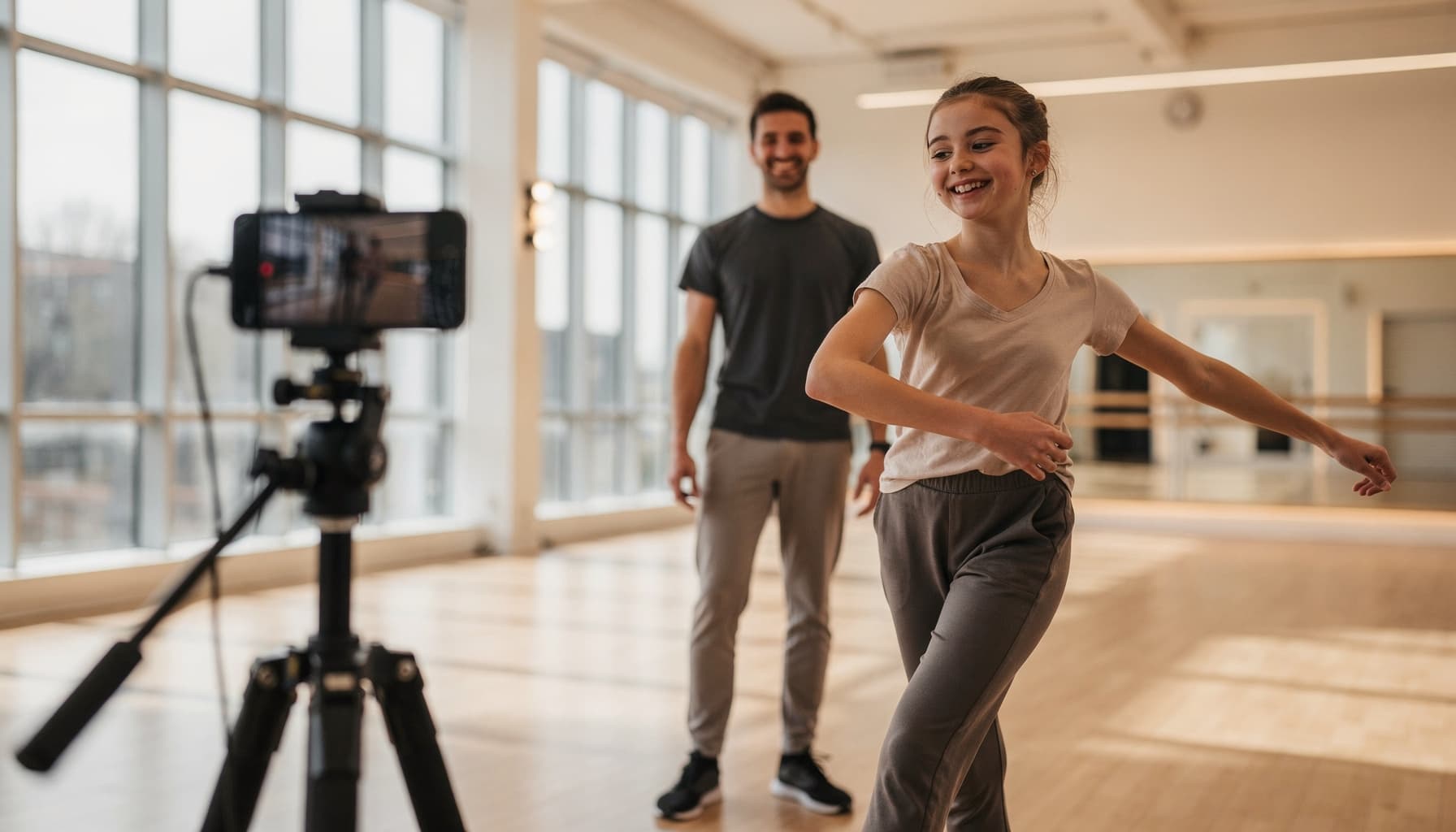
Ask most dance school owners where they spend most of their marketing time, and the answer is social media. Instagram, Facebook, TikTok - posting videos, writing captions, responding to comments.
It feels productive. The likes are gratifying. And it's not without value.
But here's the thing: Instagram doesn't rank on Google. A parent searching "ballet classes for children in Bristol" will not be shown your Instagram profile. They'll be shown websites.
What each channel is actually for
Social media is brilliant for:
- Building community with existing students and parents
- Staying visible to people who already know you
- Reaching new people through shares and viral content
- Showcasing personality and behind-the-scenes content
Your website is essential for:
- Appearing in Google search results when parents are actively looking
- Giving first-time visitors the information they need to enquire
- Providing credibility to people who've heard about you and want to check you out
- Collecting enquiries 24 hours a day, even while you sleep
The crucial difference is intent. People on social media are scrolling. People searching Google are looking for you. Search traffic converts at much higher rates than social media traffic precisely because of this.
The leaky bucket problem
If you're putting all your effort into social media but your website is slow, outdated, or hard to navigate, you're spending energy filling a leaky bucket.
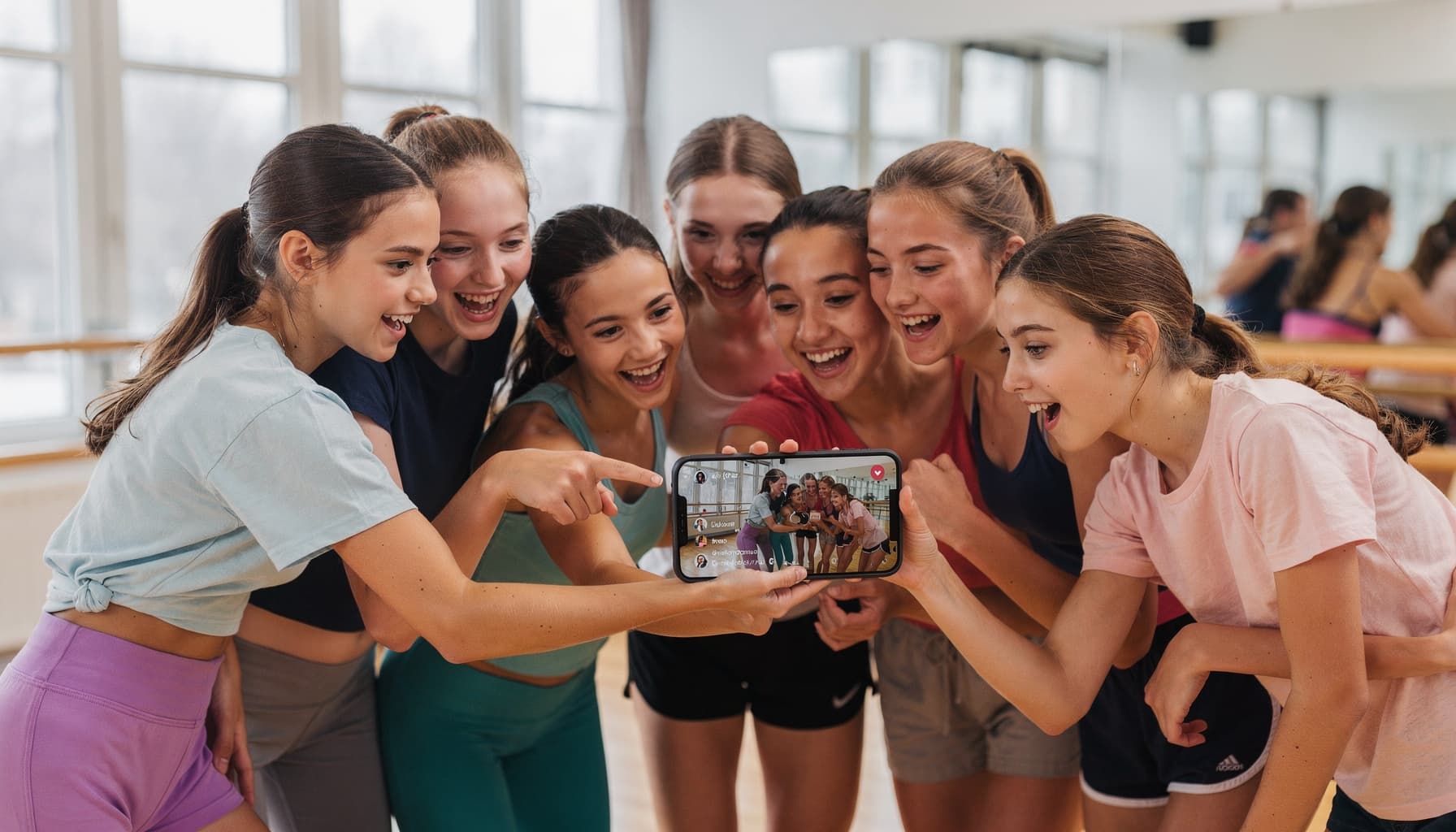
Every parent who discovers you on Instagram and then looks up your website - which they will - is forming an impression. A strong Instagram followed by a weak website is a disappointing experience that reduces their confidence in you.
What the data says
The dance schools that grow most consistently share a pattern: they have a professional, fast, well-optimised website as their foundation, and they use social media to support and amplify it.
When they post on Instagram, they link back to their website. When they run a September promotion, they drive people to a landing page on their site, not just a DM. When a potential new student is searching Google, they appear.
What to prioritise
If you currently have a poor website and great social media:
1. Fix the website first. Even a basic professional site will convert more traffic than a great social media presence pointed at a poor website.
2. Once the website is solid, social media becomes significantly more valuable. Every piece of content you create now has a destination worth sending people to.
3. Use social media to drive people to your website - not just to "follow" you.
The time question
A professionally built and managed website requires almost no ongoing time from you. No fiddling with templates, no hunting for plugins, no panicking when something breaks.
Social media, by contrast, is time-intensive. But it's also where you're spending time you enjoy - showing off your students, sharing your passion for dance.
By taking the website off your plate completely, you free up mental energy for the marketing that only you can do: showing up authentically for your community on social.